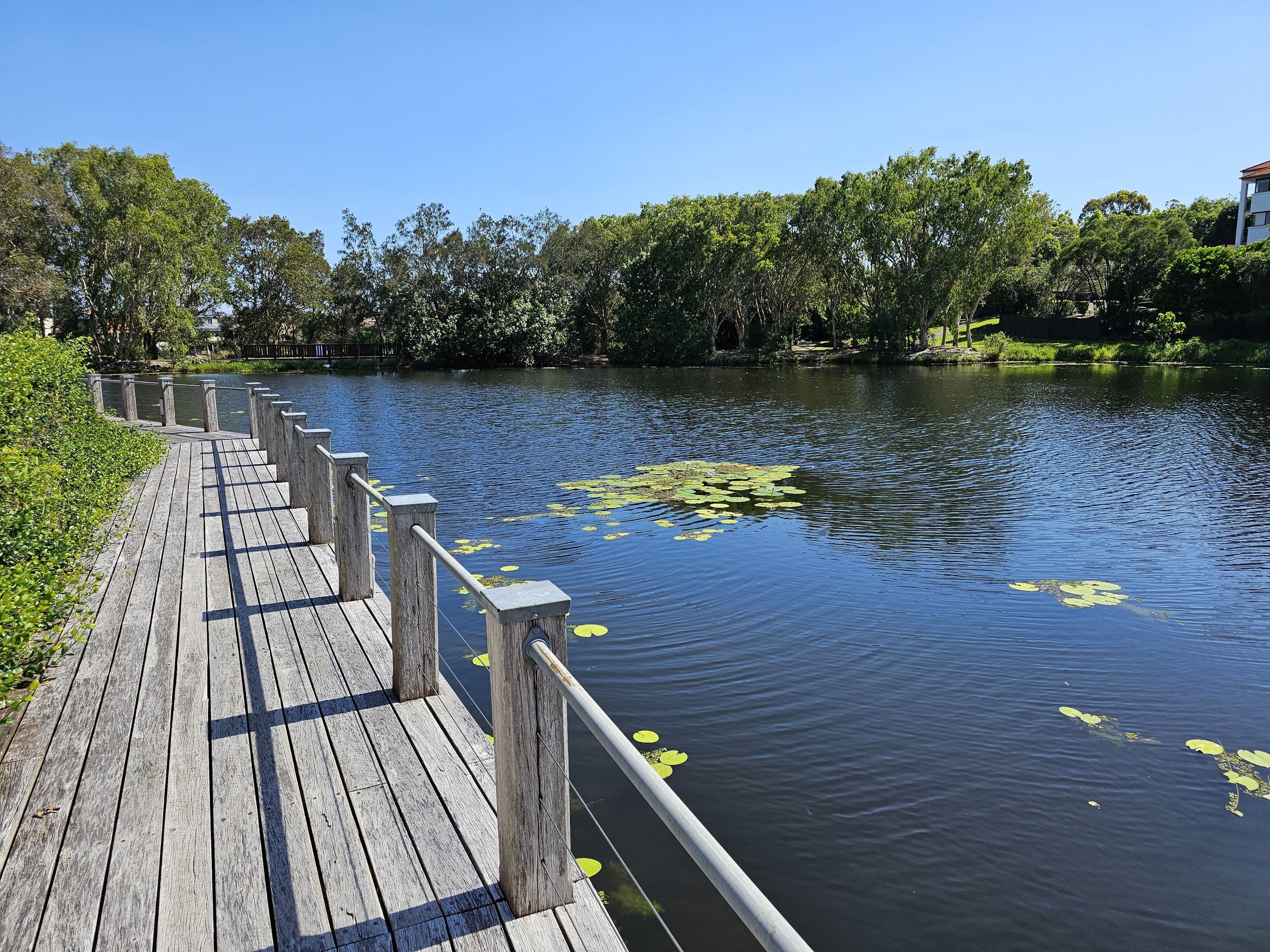
Understanding Anxiety & Professional Support at Lakeside Rooms
A calm, confidential space to explore, understand and manage anxiety
Anxiety can affect how you think, feel, and live day to day. Lakeside Rooms practitioners offer professional, compassionate support aimed to help you better understand your anxiety and develop practical tools to regain balance, clarity, and confidence in your life.
Anxiety, stress, and emotional overwhelm are something everyone experiences - they are common human emotions. Feeling nervous before a test, a social event, or a big change is normal.
For some people, worry can become harder to manage and starts showing up more often than we’d like. When stress or fear or panic begins affecting daily routines, social life, or well-being, it may be an anxiety disorder.

Anxiety can look different from person to person. Some people experience a busy mind that feels hard to switch off, while others feel nervous in social situations, tense in their body, or find themselves avoid activities that once felt easy. Panic attacks, trouble concentrating, sleep problems, or strong fears about certain situations can also occur. Anxiety may show up as irritability or avoidance. Others may notice increased stress, low confidence, or physical symptoms such as headaches or stomach discomfort.
Anxiety is very common. Around 1 in 6 Australians experience an anxiety disorder in any given year (ABS, 2022). These numbers show that you are not alone, and reaching out for support is a positive and proactive step toward feeling better.
There are several types of anxiety disorders, including Panic Disorder, Obsessive Compulsive Disorder (OCD), specific Phobias, Agoraphobia, and Generalised Anxiety Disorder (GAD). These conditions can affect daily life, relationships, work, and overall well-being — but with the right support, they can be managed.
How Lakeside Rooms Can Help
Psychologists and psychiatrists at Lakeside Rooms provide evidence-based therapies that build coping skills, confidence, and emotional understanding. They take time to learn what anxiety feels like for each person and tailor support to their goals and strengths.
Types of therapy may include:
Cognitive Behavioural Therapy (CBT) – breaking the cycle of worry and avoidance.
Acceptance and Commitment Therapy (ACT) – supporting flexibility in handling difficult thoughts.
Dialectical Behaviour Therapy (DBT)-informed strategies – helping regulate strong emotions and improve communication.
Eye Movement Desensitisation and Reprocessing (EMDR) Therapy – useful when anxiety stems from distressing experiences or trauma.
Mindfulness-based approaches – calming the body and strengthening focus.
Play or expressive therapy – for younger clients who communicate through creativity.
As part of treatment, people may learn relaxation strategies, confidence-building skills, and practical ways to manage anxious thoughts in everyday settings. Support can also involve planning for challenges at work or socially, so progress continues outside the therapy rooms.
Lakeside Rooms practitioners are committed to creating a supportive environment where people feel understood, valued, and equipped to navigate anxiety with greater ease.
Take the first step toward feeling better. Contact us today to find out more.